Traditional Chinese Medicine is a comprehensive medical system developed over thousands of years. It views the body as an interconnected system rather than isolated parts.
Core principles include:
Balance restoration – supporting physiological balance between systems
Meridian theory – understanding functional pathways involved in regulation and communication
Pattern-based diagnosis – identifying functional imbalances rather than single-symptom treatment
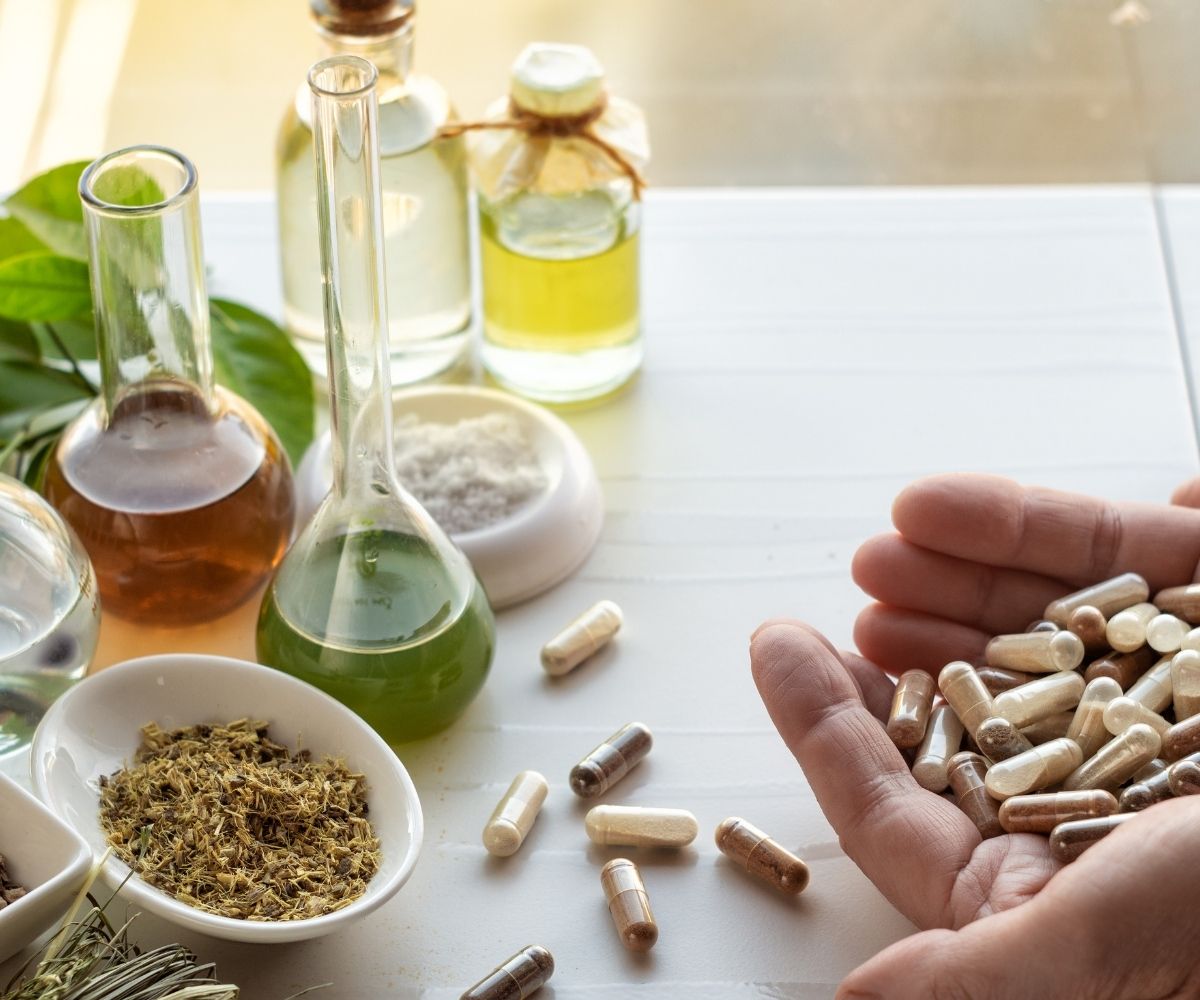
Herbal and dietary therapy – used to support physiological regulation
TCM is used in an integrative context alongside modern clinical understanding to support individualized care planning.
Acupuncture
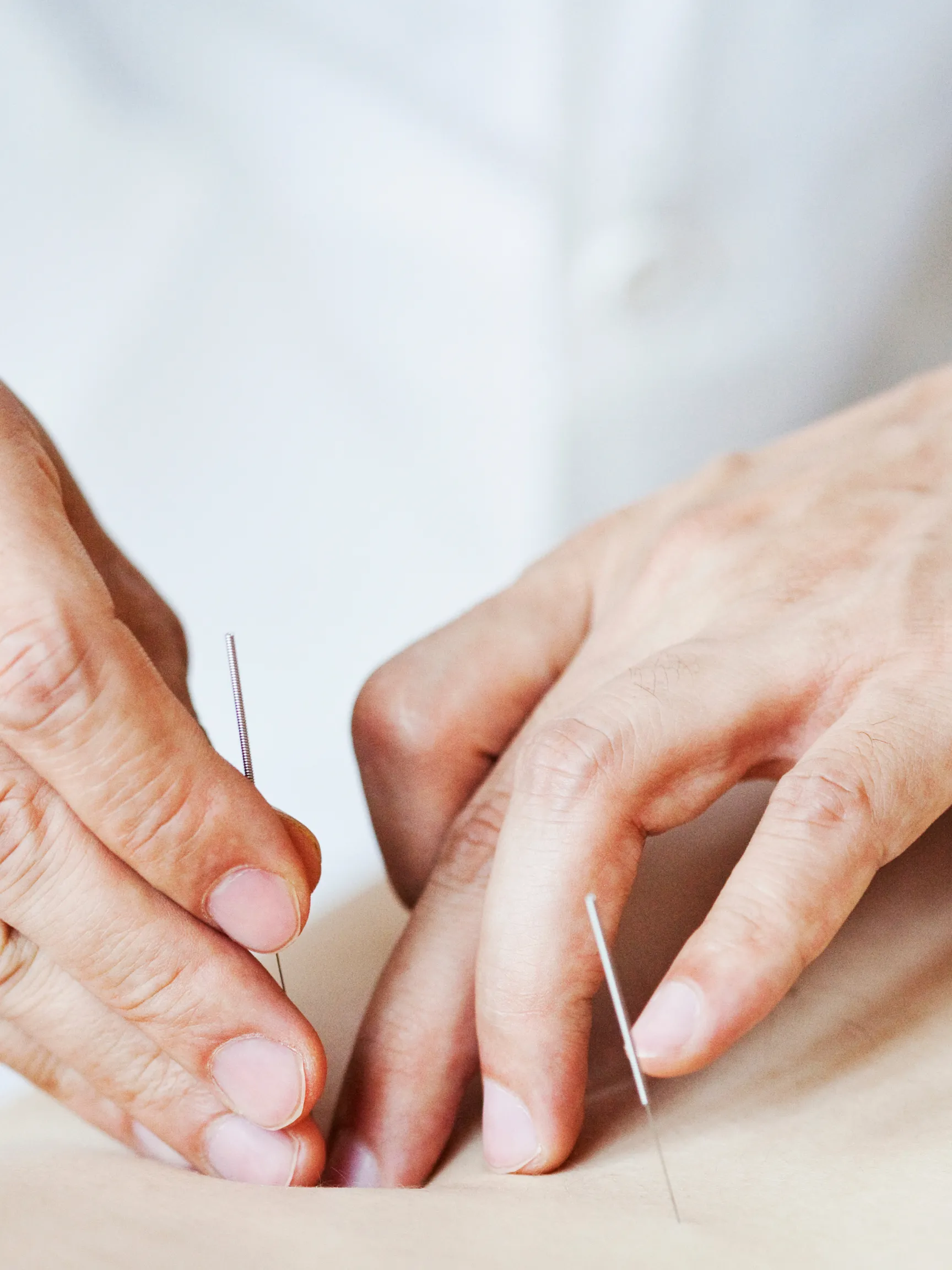
Acupuncture is a core component of TCM used to influence nervous system activity, circulation, and physiological regulation through specific point stimulation.
Treatment is individualized based on symptom presentation, clinical assessment and overall treatment goals.
Clinical Approach
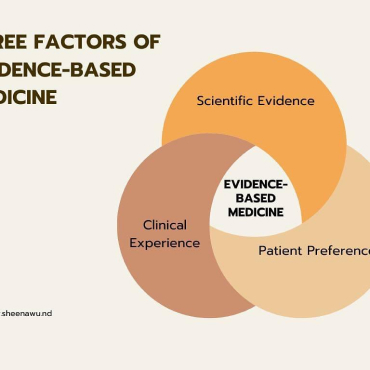
TCM and acupuncture are integrated within an evidence-informed, patient-specific framework.
Care approach includes:
Holistic clinical assessment – integrating both conventional and TCM-based perspectives
Individualized treatment planning – tailored to symptoms, health history, and clinical findings
Integrated care – acupuncture may be combined with herbal medicine, nutrition, or lifestyle strategies
Treatment structure – sessions are typically more frequent initially, then adjusted based on response
Coordinated care – ensuring compatibility with other medical or therapeutic interventions
The focus is on functional regulation and symptom improvement over time, rather than isolated or protocol-based treatment.
Cosmetic Acupuncture
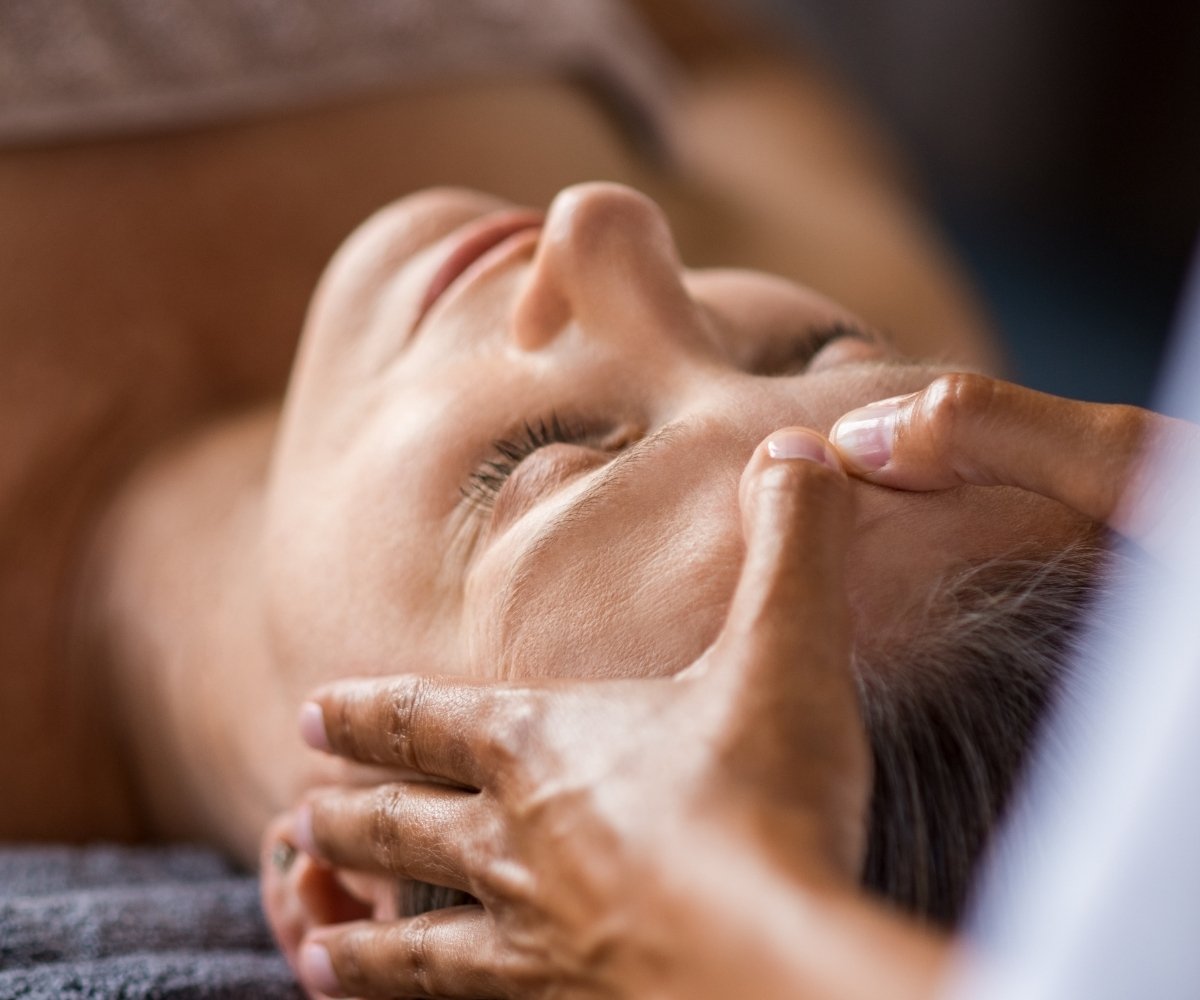
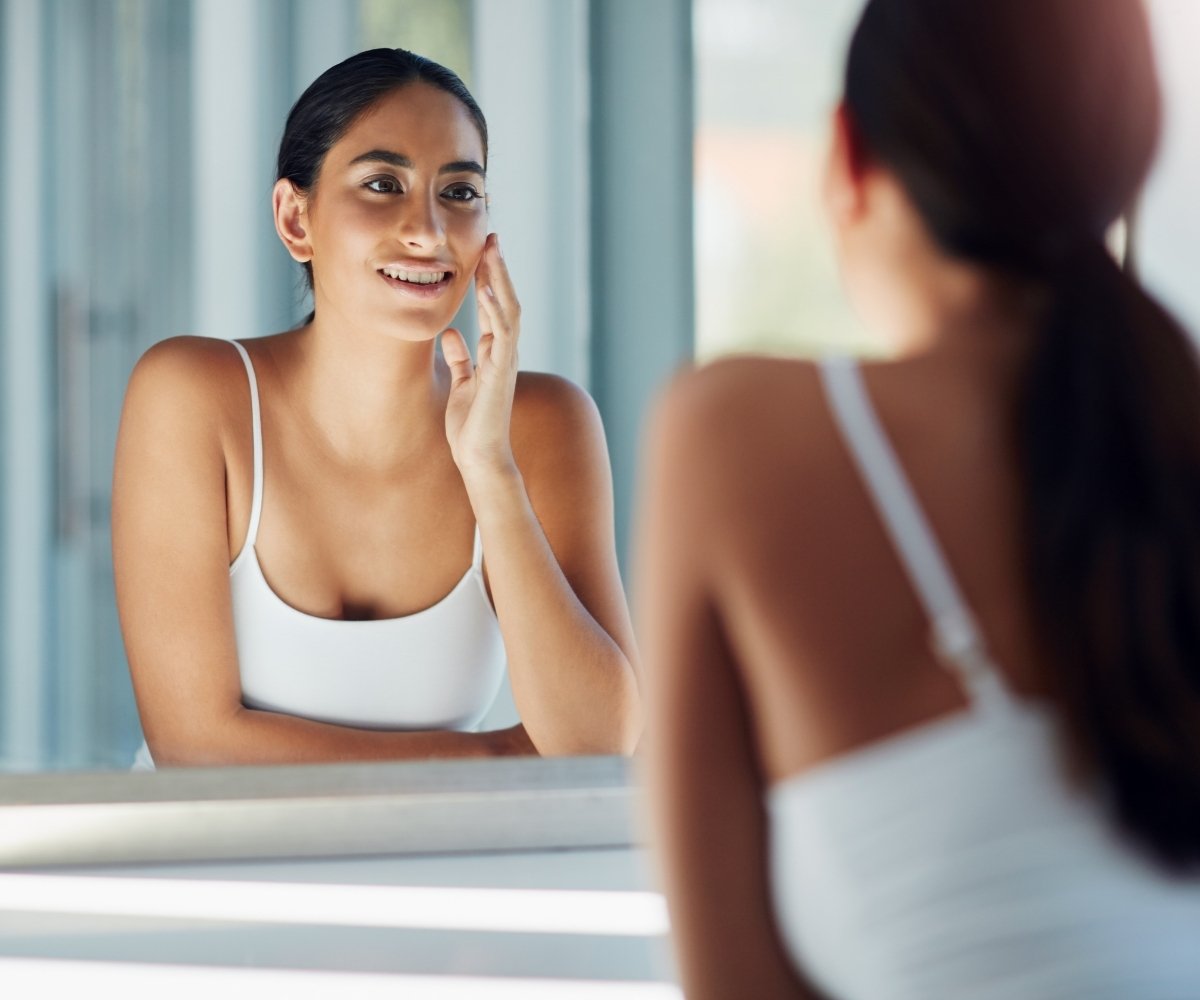
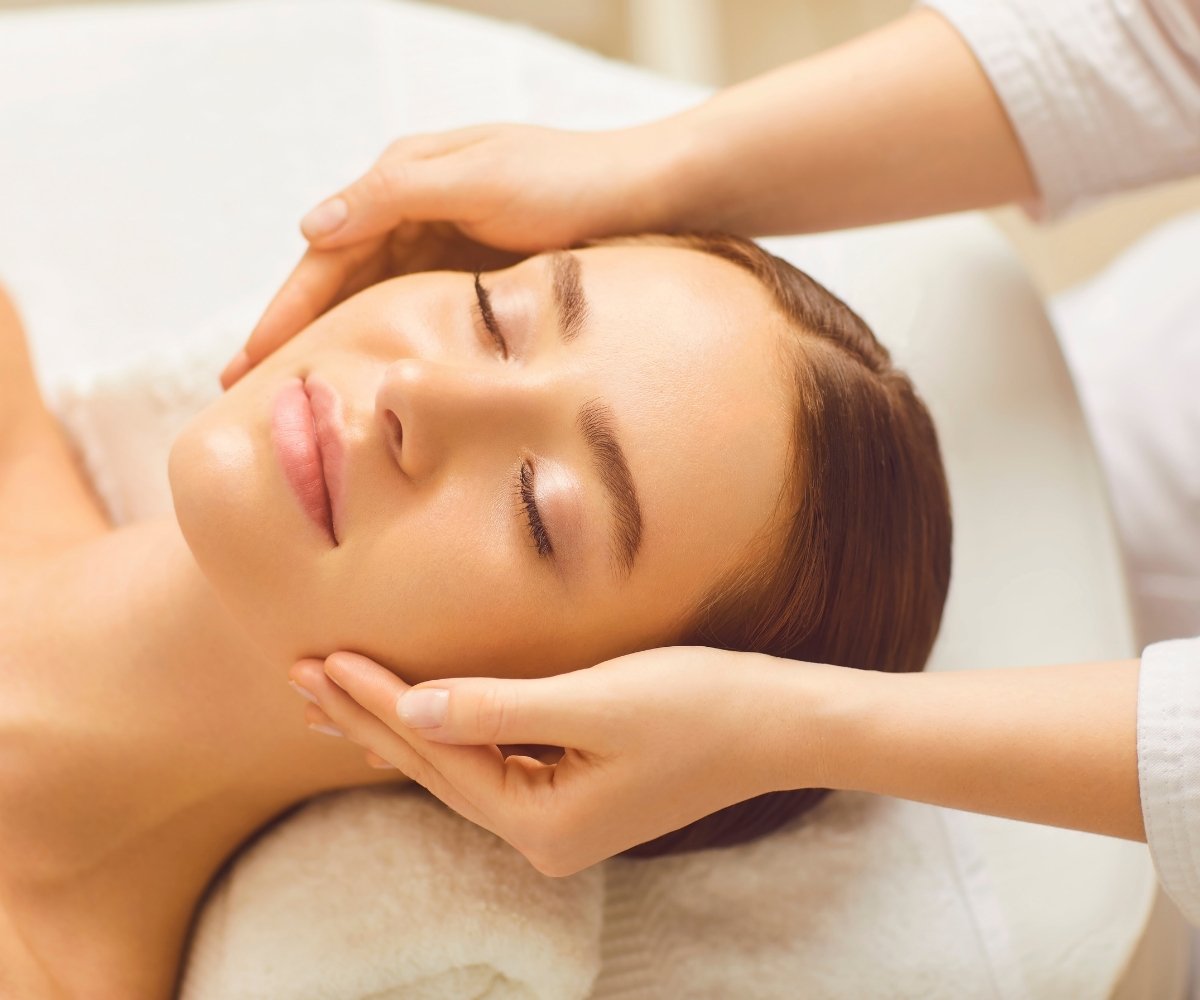
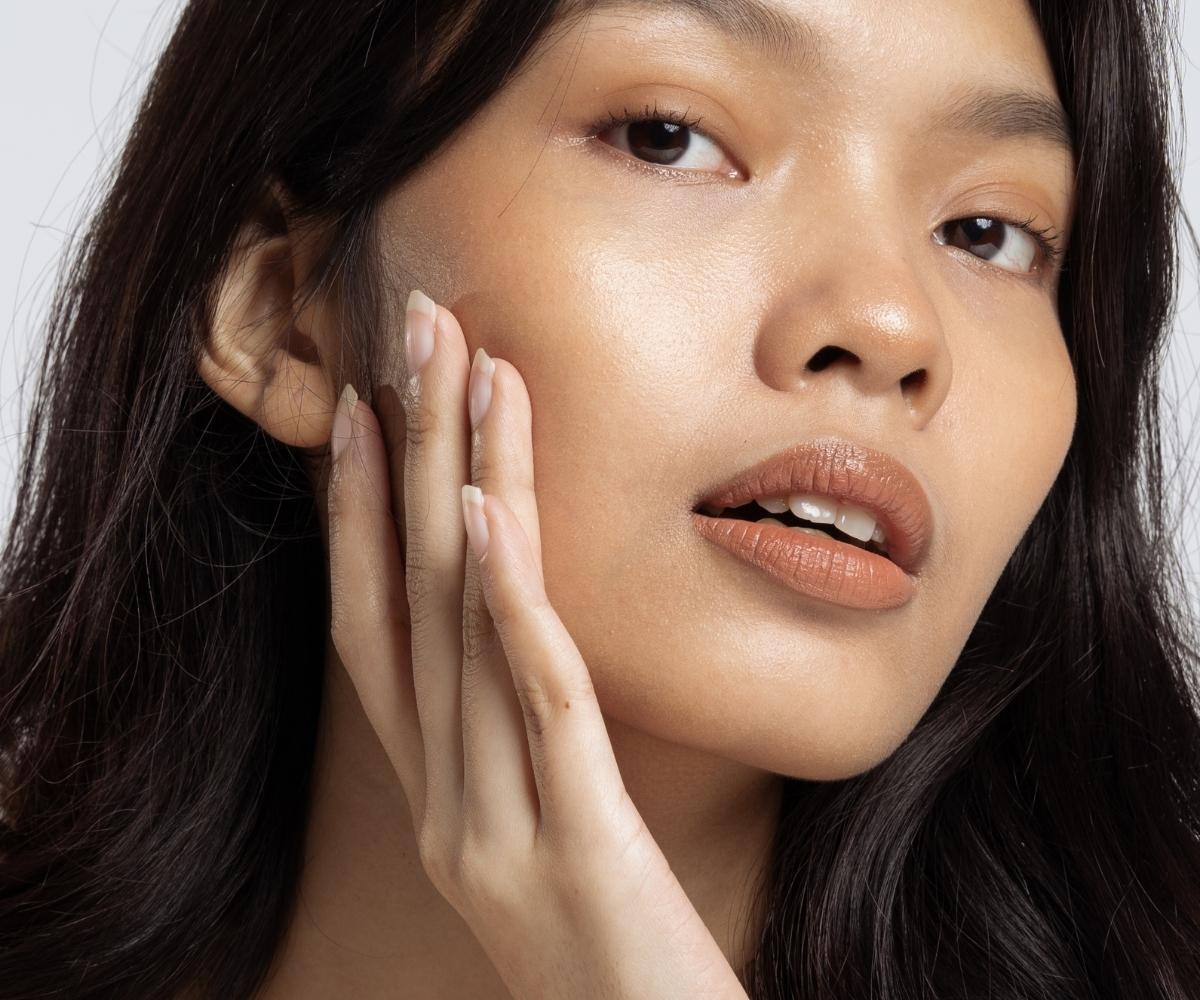
Cosmetic acupuncture is a non-invasive treatment that uses facial and body acupuncture points to support skin health, circulation, and tissue function.
How It Works
Supports circulation and local tissue oxygenation
Stimulates collagen and elastin activity
Helps improve skin tone, texture, and hydration
Supports facial muscle relaxation
Expected Benefits
Improved skin radiance and circulation
Enhanced skin elasticity and texture
Reduction in fine lines over time
More refreshed appearance
Treatment Frequency
Initial phase: weekly to bi-weekly sessions for 6–10 treatments
Maintenance: monthly sessions depending on goals and response
Who It May Be Suitable For
Individuals seeking non-invasive skin support
Those wanting gradual, natural-looking improvements
Patients integrating skincare with internal health care
Considerations
Cosmetic acupuncture may not be appropriate for individuals with:
Active skin infections or open lesions
Certain bleeding disorders or anticoagulant use
Recent intensive cosmetic procedures (e.g. Botox within ~2–3 months)
Expectations of immediate or surgical-level results
Acupuncture is supported by clinical research for pain, stress, and certain functional conditions. Its effects are understood through both neurological and physiological mechanisms.