Everyone’s skin is unique, and long-term improvements typically require an individualized approach that considers potential internal and external contributing factors.
Alongside a tailored plan, several contributing influences may also need to be considered.
Primary Contributing Factors
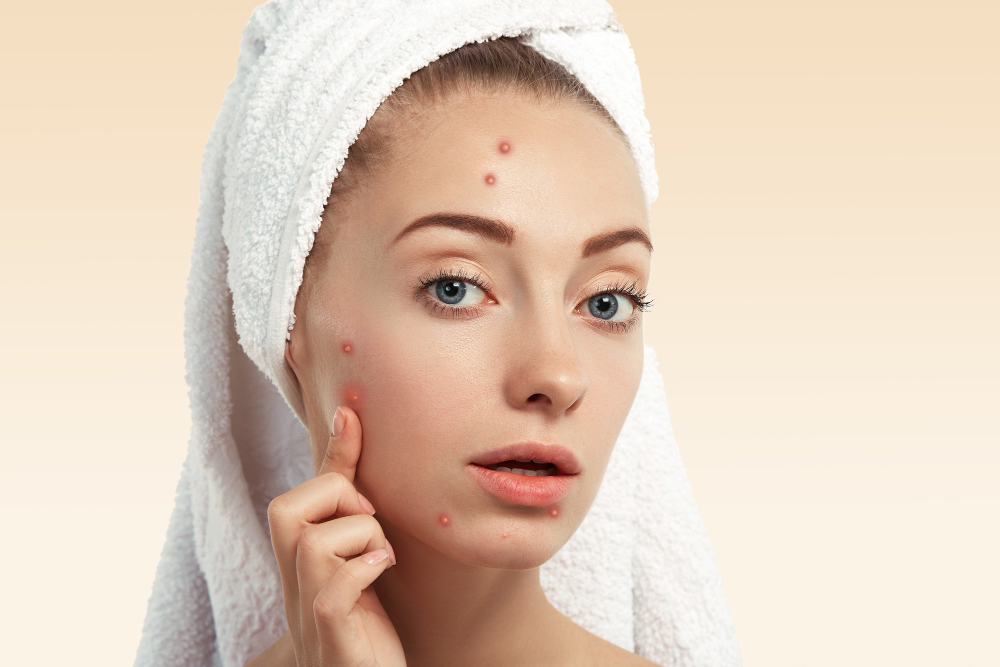
Acne is not solely related to skin hygiene and may be influenced by a combination of internal and external factors, including increased sebaceous gland activity, inflammation, and skin barrier disruption.
These may include hormonal fluctuations, dietary patterns, skin barrier function, digestive factors, and other systemic influences.
Hormones
When considering hormonal influence, androgens such as dihydrotestosterone (DHT) may contribute to increased sebaceous gland activity, which can be associated with acne development.
This can occur in both men and women.
Diet
Diet may play a role in acne in some individuals.
High intake of refined carbohydrates and sugars may influence blood sugar and insulin responses, which in turn can affect sebum production and inflammatory pathways.
Dairy may also be a contributing factor in some individuals.
Metabolic Pathways
The liver is involved in multiple metabolic processes, including hormone metabolism, detoxification pathways, and nutrient processing, which may indirectly influence skin physiology.
Various factors such as alcohol intake, certain medications (including hormonal contraceptives), environmental exposures, and overall metabolic load may influence these pathways.
Gut and Elimination Function
Proper elimination processes may influence metabolic and hormonal byproduct clearance.
Constipation or irregular bowel movements may contribute to altered clearance of metabolites in some individuals. Gut microbial composition and food sensitivities may also be associated with systemic inflammation, which can influence skin presentation.
Topicals
External skincare practices may also influence acne presentation.
Over-cleansing, harsh exfoliation, or products that disrupt the skin barrier may contribute to dryness, irritation, or increased oil production in some individuals.
Skin changes typically occur over several months, and management may require adjustments based on response over time.
When Support May Be Appropriate
Consider further evaluation if acne is persistent, recurrent, or not responding to general skincare or lifestyle adjustments.
Individual assessment may help identify contributing internal and external factors and guide a more targeted approach.