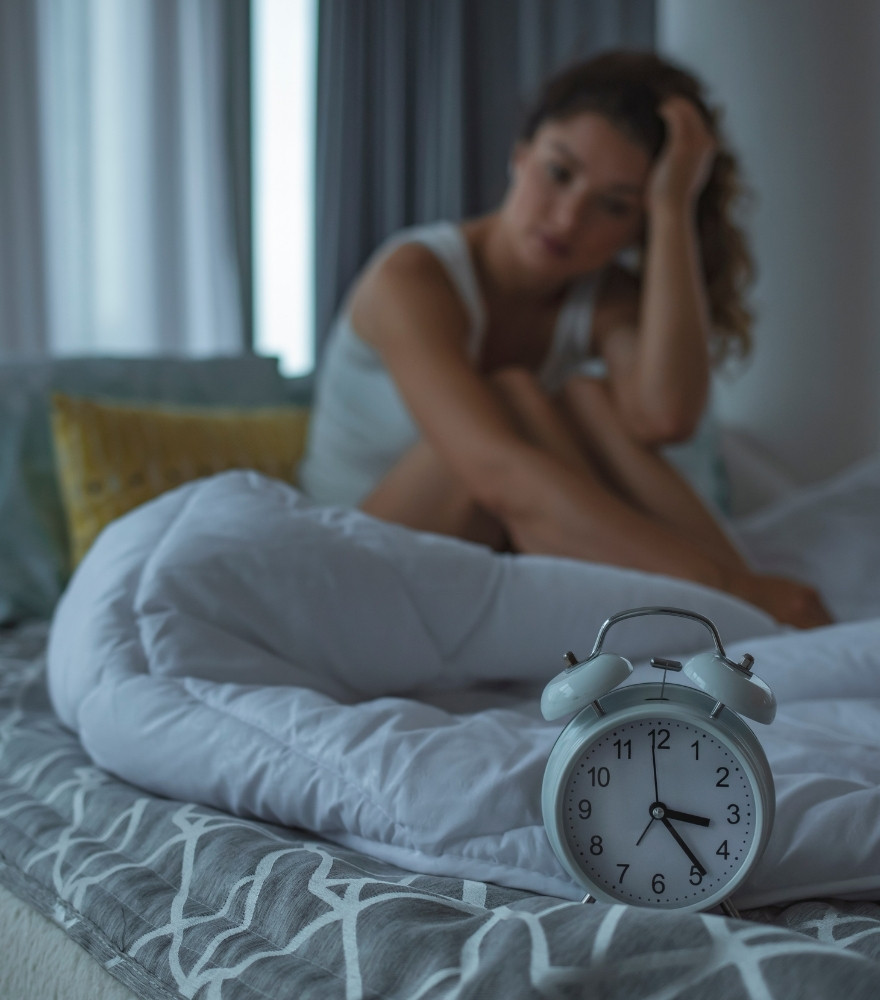
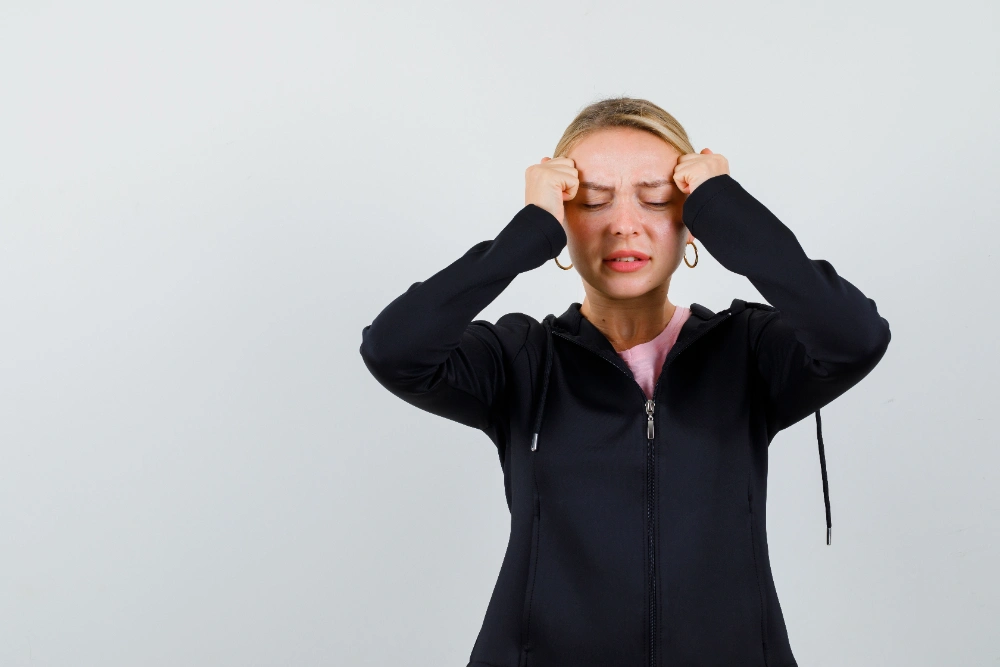
Hormonal symptoms such as irregular cycles, fatigue, mood changes, weight fluctuations, or sleep disturbances may reflect disruptions in hormonal regulation.
These symptoms are often influenced by interactions between endocrine function, metabolic regulation, autonomic regulation, and reproductive health.
Because hormonal systems are highly interconnected, symptoms may persist when individual areas are addressed in isolation.
Hormonal symptoms may present differently depending on the underlying systems involved.
Hormonal symptoms are often influenced by interactions between endocrine function, metabolic regulation, autonomic system activity, and lifestyle factors.
Clinical assessment is used to identify the most relevant contributing factors in each case.
Care may include:
Treatment is guided by identifying the most relevant contributing factors for each individual case and adjusted over time based on response.
This may be appropriate if you are experiencing:
No. Testing is not required before your initial consultation. If appropriate, it will be discussed based on your symptoms and history.
Testing may include blood, saliva, or urine analysis. Functional testing such as the DUTCH test (LINK TO EXISTING PAGE) may be considered when clinically appropriate.

Yes. Hormonal concerns such as testosterone imbalance or prostate-related symptoms can be assessed and addressed based on clinical findings.
Response varies depending on underlying factors and complexity. Care focuses on supporting hormone function and managing symptoms over time.
The first visit includes a review of your health history, symptoms, and lifestyle factors, along with discussion of testing and next steps.
Hormonal symptoms may overlap with other regulatory systems, including:
― dr.sheenawu.nd
Email: [email protected]
This site is for informational purposes only and is not medical advice. Use does not create a patient-practitioner relationship.
© 2026 Dr. Sheena Wu, ND | All rights reserved | Designed & Developed by HealthBuddha.ca.