Bioidentical Hormone Therapy (BHRT) in Toronto

Bioidentical Hormone Replacement Therapy (BHRT) refers to the use of hormones that are structurally identical to those naturally produced by the human body, most commonly estrogen, progesterone, and thyroid hormones.

BHRT is one option that may be considered in the management of symptoms related to hormonal changes, particularly during perimenopause and menopause, following clinical assessment.

BHRT is not a first-line or universal treatment and is only considered when clinically appropriate based on symptoms, medical history, and laboratory findings.

BHRT is offered to active patients seen in person at West End Women’s Health in Toronto and HealthOne North York, with follow-up available virtually across Ontario.

Group 24

Clinical Purpose of BHRT

BHRT may be used within a broader clinical context to support symptom management associated with hormonal changes.

It may be considered to:

Response varies between individuals and outcomes cannot be guaranteed.

Symptoms That May Be Considered in Assessment

BHRT may be discussed as part of care when individuals present with symptoms such as:

  • Hot flashes and night sweats
  • Sleep disturbance
  • Mood changes or emotional fluctuations
  • Fatigue
  • Changes in libido
  • Menstrual irregularities (in appropriate clinical contexts)
  • Vaginal dryness

Conditions such as endometriosis, fibroids, or infertility are not treated directly with BHRT, but may be considered within broader hormonal assessment and care planning.

Services - Horizontal (14)
Services - Horizontal (15)

When BHRT May Be Discussed

Hormonal therapy may be discussed in relation to:

  • Perimenopausal or menopausal transitions
  • Documented hormonal deficiencies
  • Symptom patterns consistent with hormonal fluctuation

BHRT is not used as a standalone treatment for chronic disease prevention.

Potential Benefits of BHRT (Individual Results Vary)

Some individuals may experience improvements in:

  • Sleep quality
  • Energy levels
  • Mood stability
  • Vasomotor symptoms (e.g., hot flashes)
  • Vaginal dryness

These outcomes are variable and depend on multiple factors including formulation, baseline hormone status, dosing, and individual response. They are not guaranteed outcomes.

Prescribing & Clinical Use (Ontario)

In Ontario, naturopathic doctors with additional prescribing authority may prescribe certain bioidentical hormones following appropriate training and certification.

These may include:

  • Bioidentical progesterone
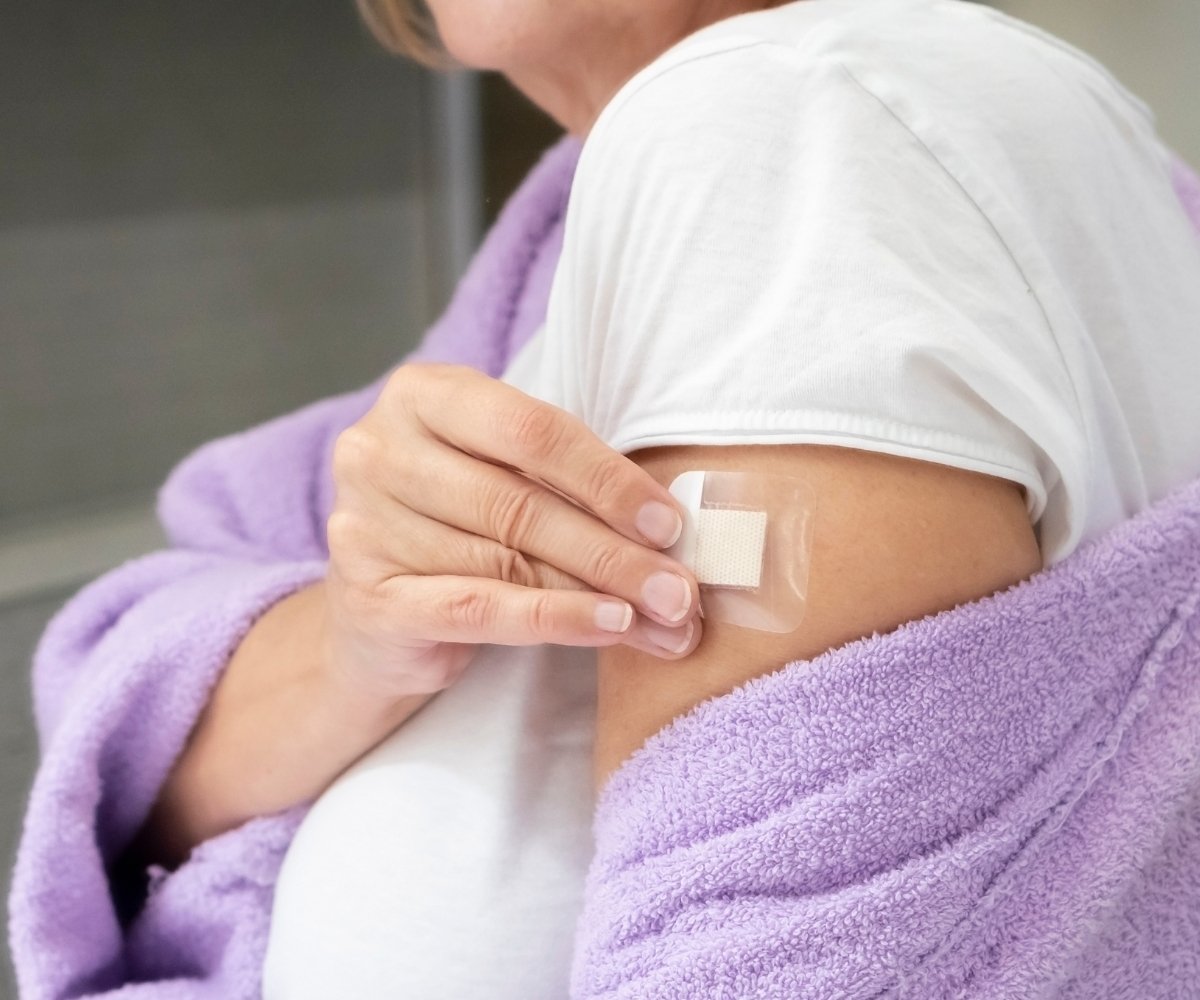
  • Transdermal estradiol and estriol preparations
  • Desiccated thyroid hormone (where clinically indicated and within scope)

All prescribing is based on clinical assessment and includes appropriate monitoring and follow-up where indicated.

Treatment is reviewed regularly and may be adjusted or discontinued based on response, safety considerations, and clinical status.

Access to BHRT

  • BHRT is available only to active patients under ongoing care
  • A full clinical assessment is required prior to prescribing
  • Laboratory testing is typically used to guide prescribing decisions
  • Treatment is reviewed and adjusted based on response and safety considerations
Services - Horizontal (19)

Professional Standards

Naturopathic doctors in Ontario must complete additional prescribing education and examination before being authorized to prescribe hormonal therapies.

Prescribing is governed by regulatory standards and is based on clinical assessment rather than patient request alone.

FAQs

BHRT FAQs

Bioidentical hormone therapy (BHRT) uses hormones that are structurally identical to those the body makes, most commonly estrogen, progesterone and thyroid hormones. It may be considered to help manage symptoms of hormonal change, particularly during perimenopause and menopause, after a full clinical assessment.

Yes, when the naturopathic doctor has completed additional prescribing training and examination. Dr. Sheena Wu, ND holds prescribing rights in Ontario and may prescribe certain bioidentical hormones, such as progesterone and transdermal estradiol or estriol, when clinically appropriate.

BHRT may be discussed for people in perimenopause or menopause, or with documented hormonal deficiencies, whose symptoms such as hot flashes, night sweats, sleep disturbance, mood changes or vaginal dryness are affecting daily life. It is not a first-line or universal treatment, and suitability depends on symptoms, medical history and lab findings.


Laboratory testing is typically used to guide prescribing decisions, together with your symptoms and health history. Recent results from your family doctor can often be reviewed as part of the assessment.

Treatment is reviewed regularly. Dosing may be adjusted, or treatment stopped, based on your response, safety considerations and follow-up testing where indicated.

No. Hormone therapy may not be suitable for some people, for example those with a history of hormone-sensitive cancer, blood clots or stroke, or with unexplained vaginal bleeding. These situations need careful review, often together with your family doctor or specialist.

BHRT is available only to active patients under ongoing care, and a full clinical assessment is required before anything is prescribed. Start with a free 10-minute discovery call to talk about your concerns and next steps.

Start with a 10-minute discovery call

A brief call to review your concerns and next steps before committing to a full consultation.

Start with a 10-minute discovery call

A brief call to review your concerns and next steps before committing to a full consultation.