Naturopathic Lab Testing in Toronto

Functional diagnostic assessments and interpretations are used to identify underlying physiological patterns and contributing factors that may not be apparent through symptoms alone.

Results are interpreted within the context of your symptoms, health history, and clinical presentation to guide targeted and individualized care planning.

Testing is not routinely required and is recommended selectively when it provides meaningful clinical value and directly informs treatment decisions.

lab-and-testing

When Testing is Considered

Testing may be recommended in specific situations, including:

Commonly Used Functional Tests

IgG Food Sensitivity Testing

Identifies foods that may contribute to ongoing symptoms and can help guide structured elimination and reintroduction strategies

SIBO Breath Test

Detects small intestinal bacterial overgrowth, which may contribute to persistent symptoms such as bloating, gas, and IBS-type presentations

GI Map® Test

A comprehensive stool-based assessment evaluating microbiome composition, pathogens, and markers related to digestion, inflammation, and intestinal permeability

DUTCH® Complete Hormone Testing

Provides a detailed assessment of adrenal and reproductive hormones, hormone metabolites, and related markers to support evaluation of hormone-related patterns and symptoms

Start with a 10-minute discovery call

A brief call to review your concerns and next steps before committing to a full consultation.

Standard Laboratory Tests

Standard laboratory testing is often used alongside functional testing to provide a broader and more clinically complete picture.

Commonly used tests may include:

  • Complete Blood Count
  • Vitamin D Levels
  • Ferritin/Iron Studies
  • Metabolic Panel
  • Thyroid Panel
  • Lipid Panel
  • Inflammatory Markers
  • Autoimmune Markers
  • Nutrient Testing
  • Fatigue Panels
  • Female / Male Hormone Panels
Services - Horizontal (1)

How Testing is Used in Care

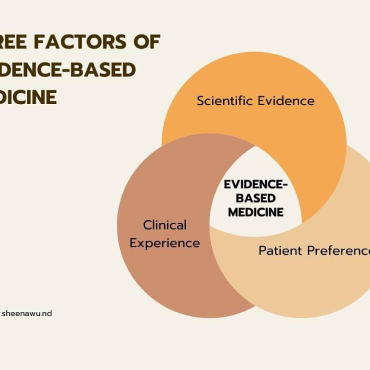
Testing is used as a clinical decision-support tool, rather than a standalone intervention.

Results are integrated with clinical assessment to:

  • Clarify contributing factors
  • Guide treatment selection
  • Monitor response when appropriate

Testing recommendations are based on clinical relevance and individual context.

FAQs

Lab Testing FAQs

Testing is not required for initial assessment. Recommendations will be made based on your symptoms, history, and clinical presentation.

No. Only tests that provide meaningful and clinically relevant information for your case are recommended.

Yes. Existing lab results can often be reviewed and incorporated where relevant.

When indicated, testing may help refine treatment strategy, improve precision, and support more targeted interventions over time.

No. IgG food sensitivity testing looks at delayed immune responses to foods and can help guide a structured elimination and reintroduction plan. It does not diagnose a food allergy. If you think you have a food allergy, speak with your family doctor.

The DUTCH Complete test gives a detailed look at adrenal and reproductive hormones, their metabolites and related markers. It may help evaluate hormone-related symptoms and, when clinically appropriate, guide decisions such as bioidentical hormone therapy.

A SIBO breath test may be considered for ongoing bloating, gas or IBS-type symptoms. A GI-MAP stool test may be considered when a broader look at the microbiome, digestion, inflammation or possible pathogens could help guide care. Neither is needed for every patient.


Many functional tests use kits that can be completed at home, and standard bloodwork can be arranged through a local lab. Testing options are discussed at your appointment.

Start with a 10-minute discovery call

A brief call to review your concerns and next steps before committing to a full consultation.