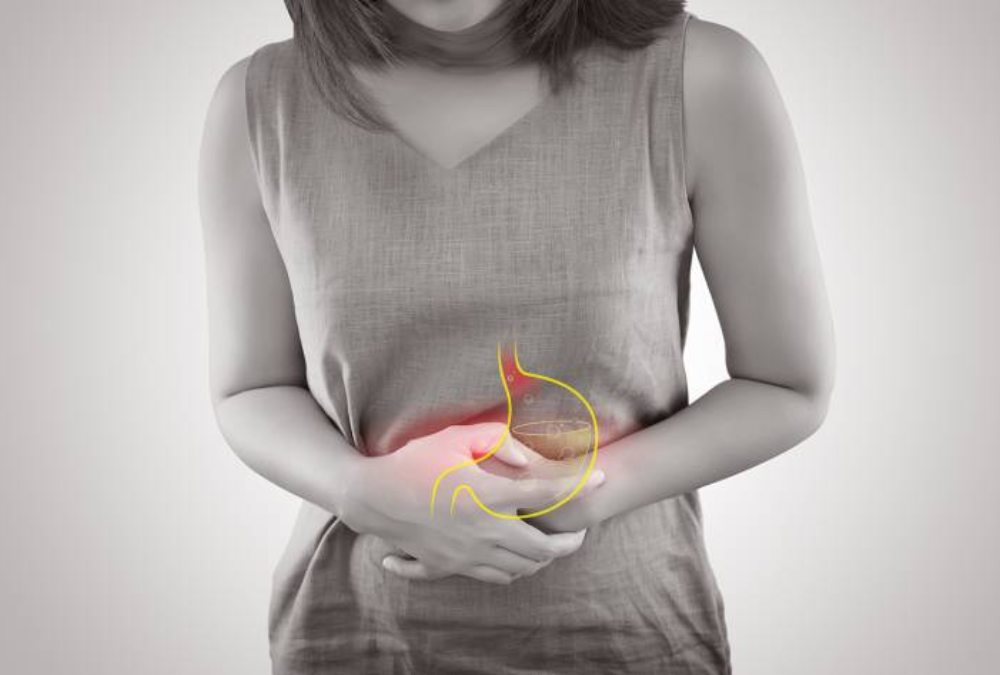
GERD (Gastroesophageal Reflux Disease) occurs when stomach contents repeatedly flow back into the esophagus, leading to symptoms such as:
Heartburn
Regurgitation
Chronic cough
Hoarseness
Nausea
Frequent burping
If left unmanaged, chronic GERD may increase the risk of complications such as Barrett’s esophagus, a condition associated with increased risk of esophageal cancer.
Risk Factors
Several factors can heighten the risk of developing GERD, including:
Lower Esophageal Sphincter/LES dysfunction or reduced tone
Obesity
Age
Medications
Dietary Factors
Stress
Hiatal Hernia
GERD symptoms may arise from multiple contributing physiological factors, including altered digestive motility and changes in gastric acid regulation.
In some individuals, symptoms may also occur in the context of reduced gastric acid production, which may affect digestion and gastric emptying.
Approach of Care
GERD management focuses on supporting digestive function, reducing reflux frequency and symptom severity, and addressing contributing physiological and lifestyle factors.