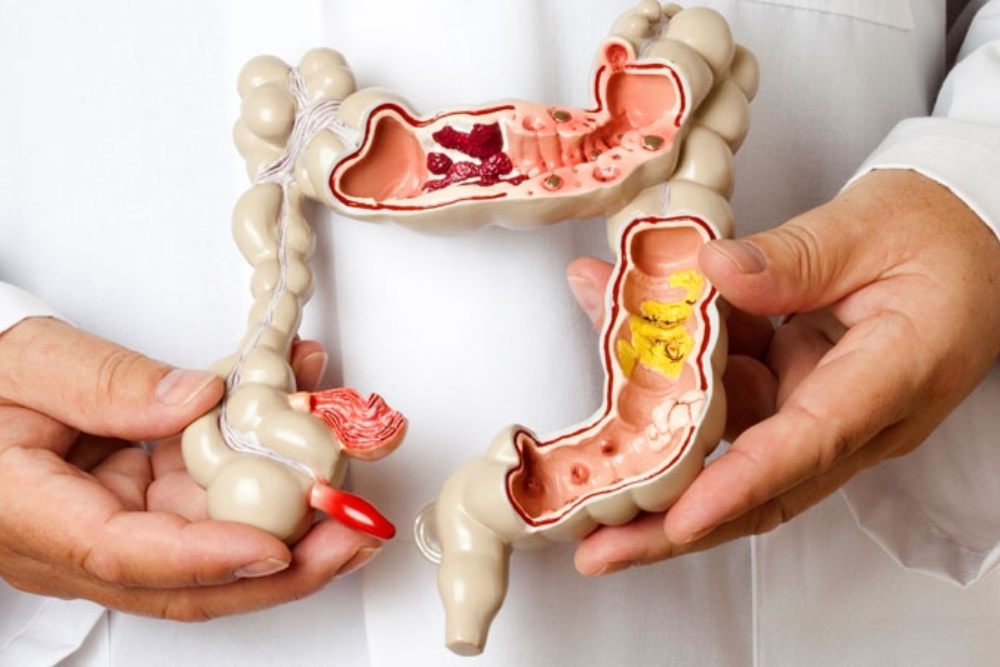
Irritable Bowel Syndrome (IBS) is a common digestive disorder that affects the stomach and intestines. While IBS can cause significant digestive discomfort, it is not associated with structural damage or visible inflammation on standard diagnostic testing.
IBS is a functional gastrointestinal disorder, meaning that although the gut appears normal, it does not function as expected. It can affect people of all ages, though it is more common in women and younger individuals.
Symptoms can often be improved through targeted management strategies that address underlying functional contributors.
Common Symptoms of IBS:
- Abdominal pain and cramping – often relieved by a bowel movement
- Gas and bloating
- Diarrhea, constipation, or alternating between the two
- Other symptoms such as mucus in stool, or urgency to defecate
IBS is commonly categorized based on bowel patterns:
- IBS-D: Diarrhea predominant
- IBS-C: Constipation predominant
- IBS-M or IBS-DC: Mixed type, alternating between diarrhea and constipation
How is IBS diagnosed?
IBS is a diagnosis of exclusion based on clinical criteria after ruling out other conditions.
Diagnosis is guided by the Rome IV criteria, after exclusion of other gastrointestinal conditions where appropriate:
- Recurrent abdominal pain ≥1 day/week for last 3 months
- Plus ≥2 of:
- Pain related to defecation
- Change in stool frequency, and/or
- Change in stool form/appearance
Contributing Factors & Testing
IBS may be associated with multiple contributing factors, including:
- Food sensitivities
- Small intestine bacterial overgrowth (SIBO)
- Gut-brain axis dysregulation
- Intestinal permeability changes
Supportive testing may be used to assess contributing or overlapping conditions:
- Food Intolerance Testing
- SIBO Lactulose Breath Testing
- Comprehensive Stool Testing
Approach of Care
IBS management is individualized and focuses on identifying and addressing underlying functional contributors, while supporting digestive regulation and symptom stability.
Because IBS is a functional condition, care is guided by symptom patterns and contributing physiological contributors rather than structural disease.
Clinical approaches may include:
- Dietary strategies tailored to individual symptom triggers
- Gut-directed nutritional and supplementation strategies where appropriate
- Support for gut-brain axis regulation and digestive nervous system function
- Identification and management of contributing factors such as SIBO or food sensitivities
- Stress and nervous system regulation support where relevant
Management is individualized and guided by clinical assessment and may evolve based on response over time.
Why Care May Be Appropriate
Further evaluation may be helpful if you experience persistent or recurrent digestive symptoms such as abdominal pain, bloating, or altered bowel habits.
IBS symptoms that significantly impact daily function or quality of life may benefit from structured clinical support.
Ongoing symptoms despite basic dietary or lifestyle adjustments may indicate the need for further assessment of contributing factors.